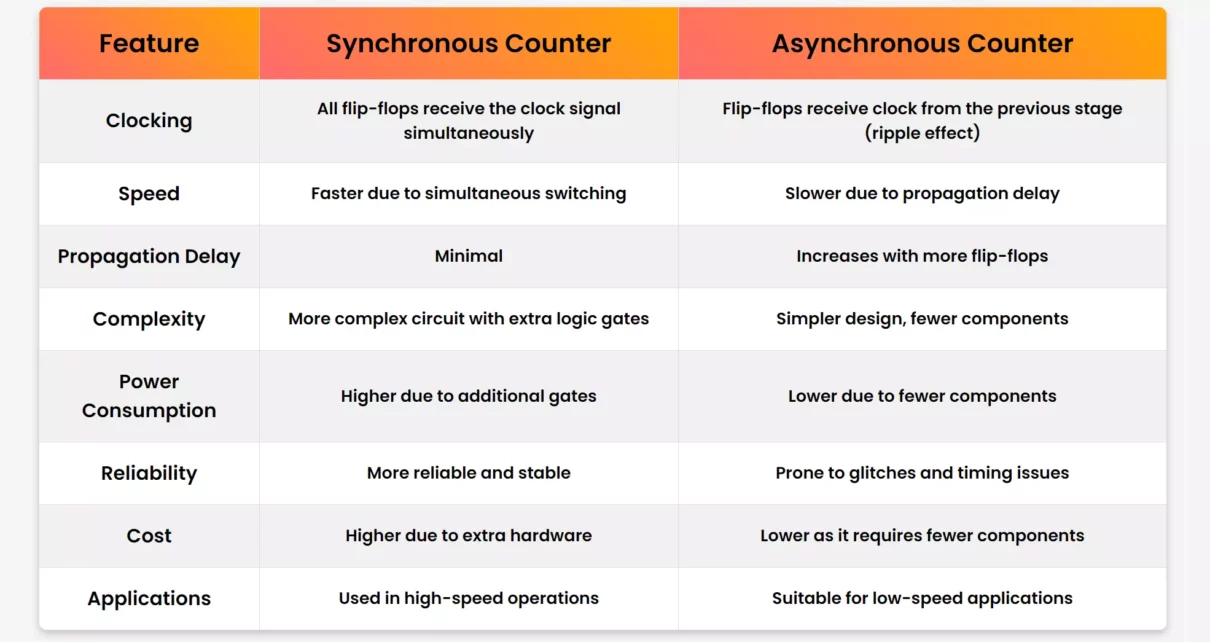
A Zener diode voltage regulator circuit is one of the simplest and most widely used voltage regulator in electronics. It employs a reverse-biased Zener diode operating in its breakdown region to maintain a nearly constant output voltage, even when the input supply voltage or load current changes within specified limits. Electronic circuits such as microcontrollers, […]
Tag: Digital Electronics
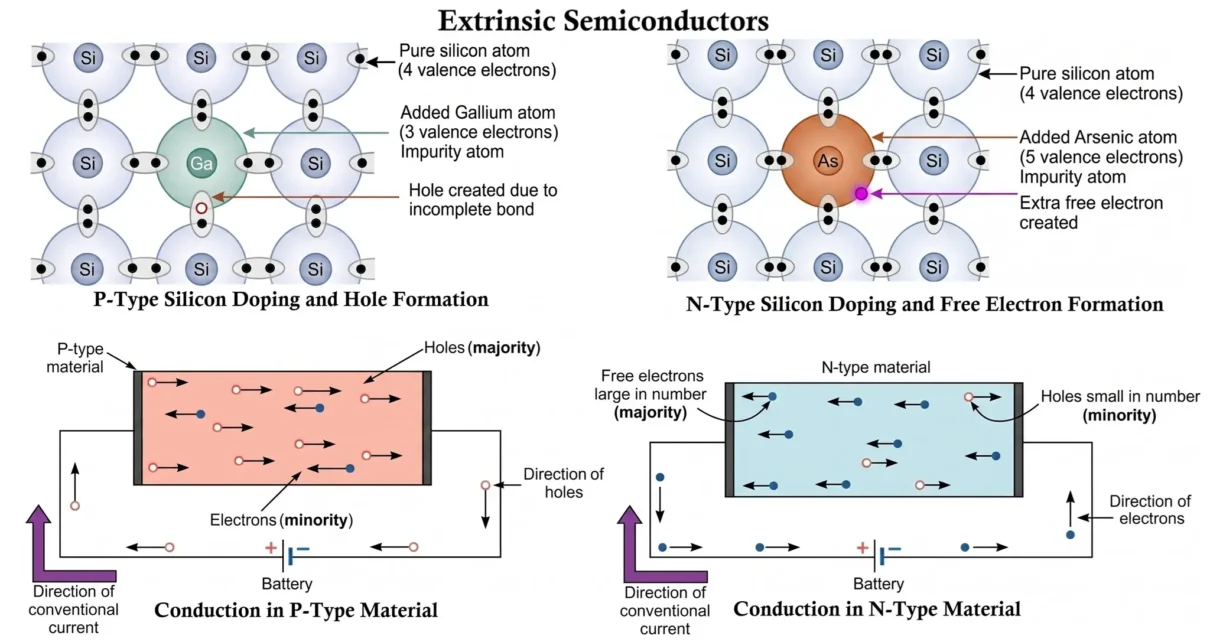
Extrinsic Semiconductors Explained
An extrinsic semiconductor is a semiconductor material whose electrical conductivity is intentionally increased by adding a small amount of impurity atoms into a pure semiconductor crystal. This process is known as doping. Extrinsic semiconductors form the foundation of modern electronics and are widely used in diodes, transistors, integrated circuits, LEDs, solar cells, and microprocessors. Pure […]
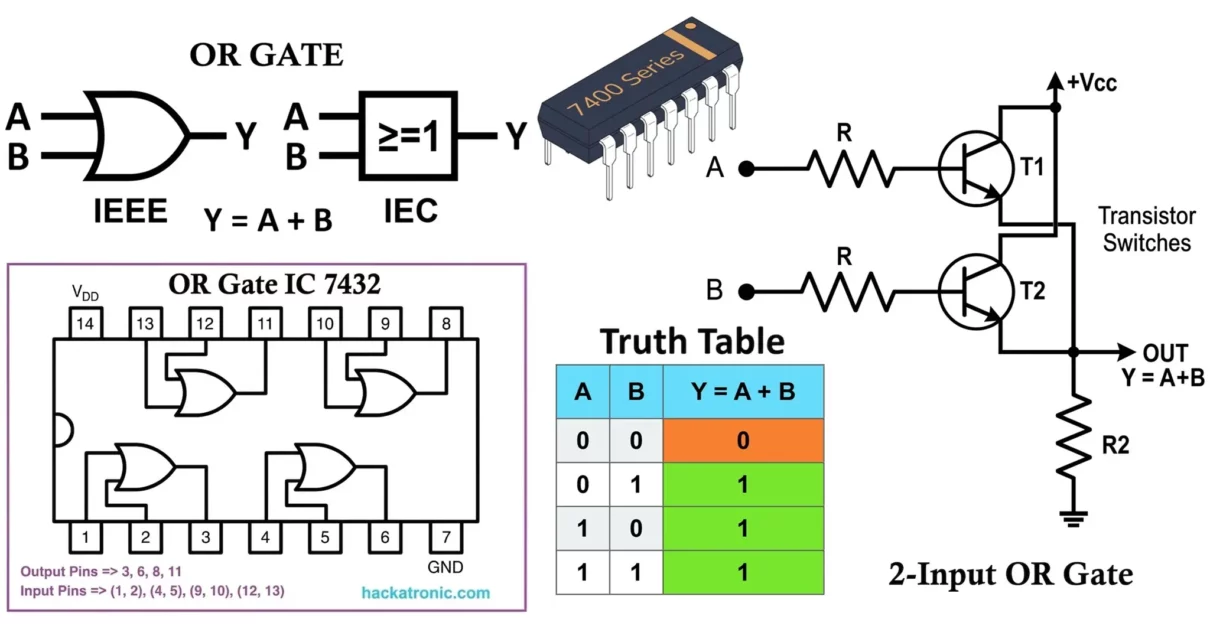
OR Gate: Symbol, Truth Table, Logic Circuit, and IC Numbers
An OR Gate is one of the most fundamental building blocks in digital electronics. It is a type of logic gate that performs a basic Boolean operation known as logical addition. In simple terms, an OR gate produces an output when any one or more of its inputs are HIGH (1). The output becomes LOW […]
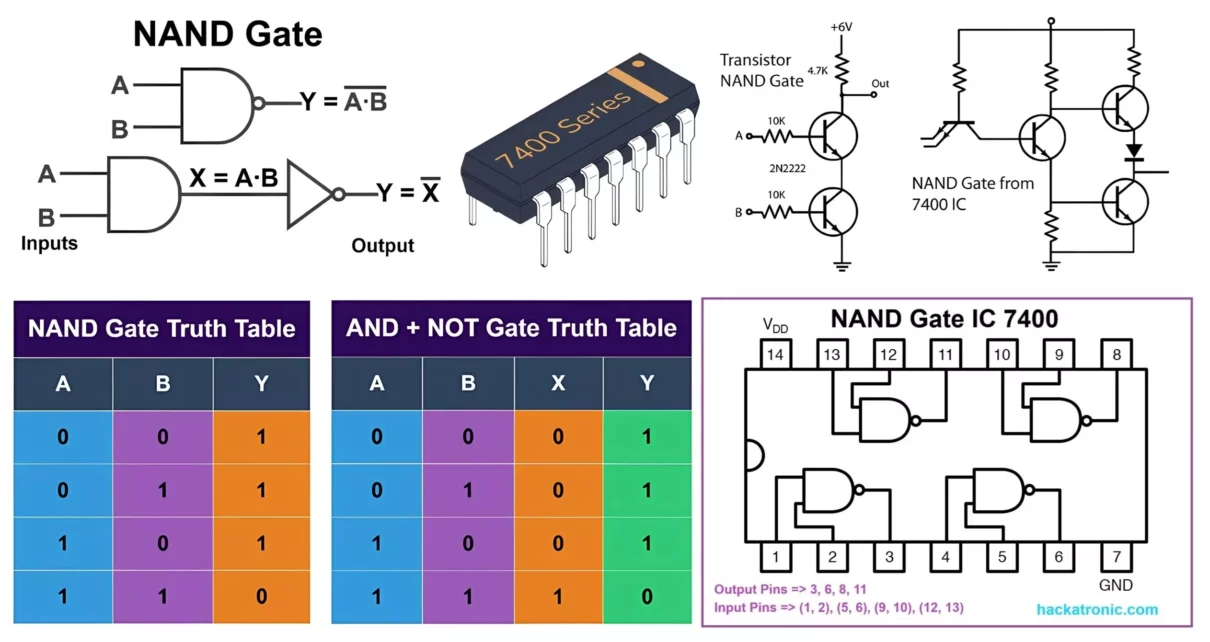
Universal NAND Gate Truth Table, Logic Circuit & IC 7400 Pin Diagram
Explore Universal NAND Gate from its truth table to its IC pin diagram, delve into transistor-based logic circuit construction and working, and discuss the advantages, disadvantages, and various applications of the NAND gate. Just as the NOR gate combines the OR and NOT functions to provide an inverted output when all inputs are low, the […]
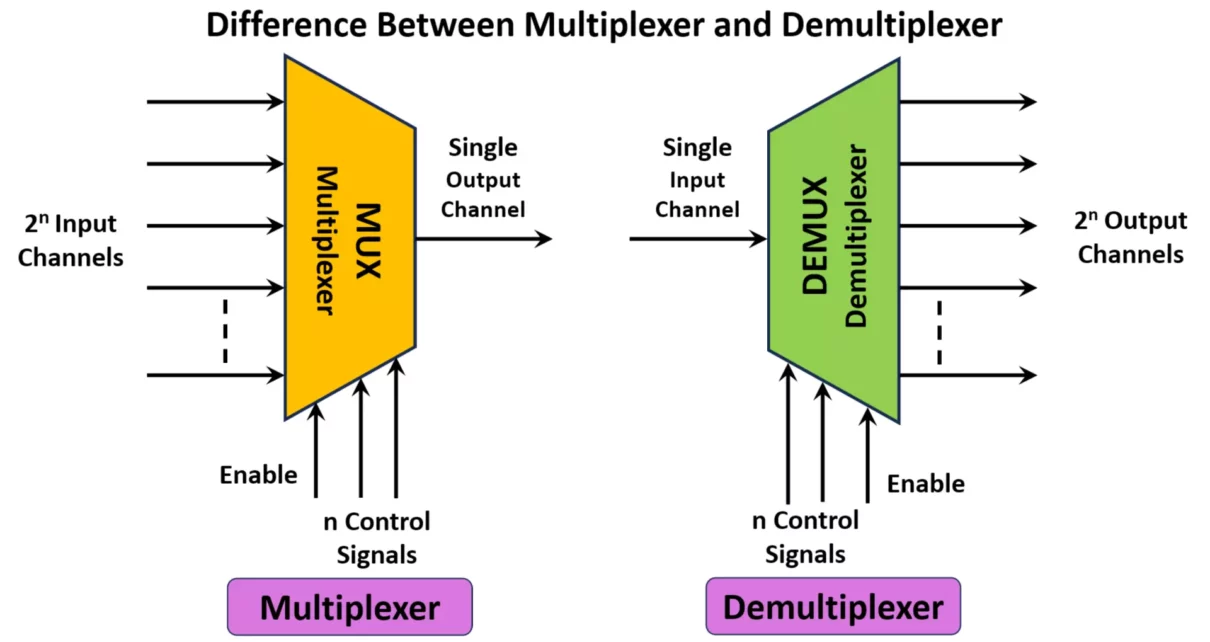
Difference Between Multiplexer and Demultiplexer with Types
Multiplexers (MUX) and Demultiplexers (DEMUX) are essential combinational logic circuits used in digital electronics for data transmission and communication systems. They play a crucial role in efficiently handling multiple signals by optimizing the usage of data lines, reducing hardware complexity, and enhancing the efficiency of data processing units. Let’s explore the difference between multiplexer and […]
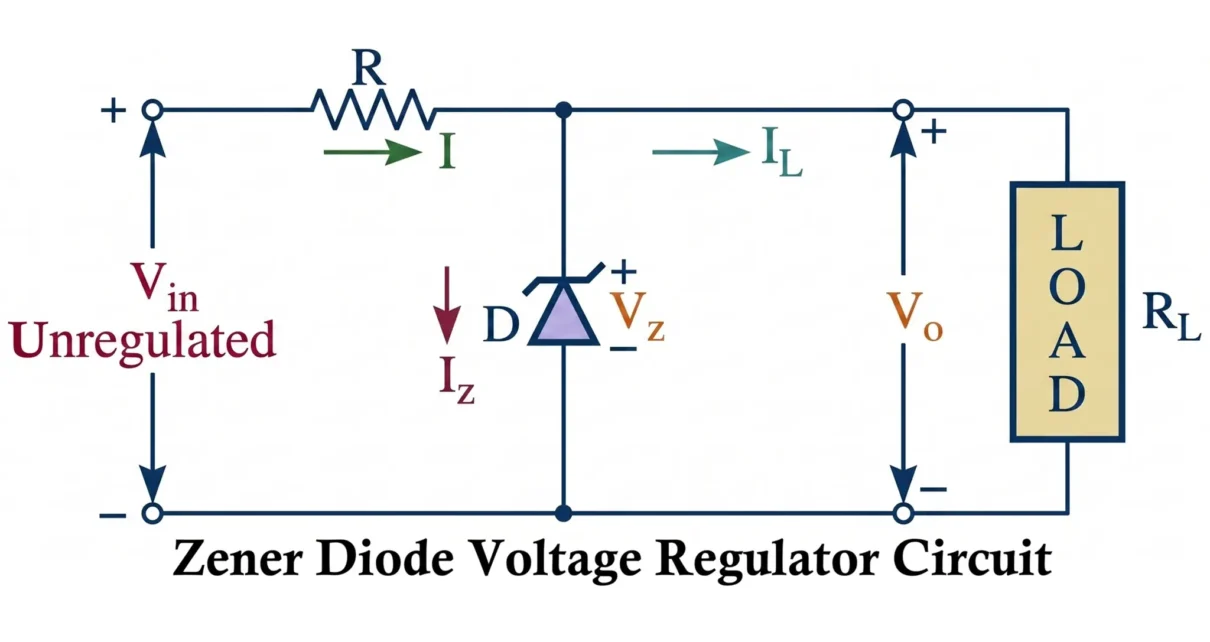
Difference Between Synchronous and Asynchronous Counters
Counters are fundamental digital circuits used in sequential logic for counting purposes. They are broadly classified into two types: Synchronous Counters and Asynchronous Counters. Understanding the difference between synchronous and asynchronous counters helps in choosing the right type for specific applications in digital electronics. These counters play a crucial role in modern digital systems, ranging […]